Nano Banana Pro vs Seedream 5 vs GPT Image 1.5: which AI image model in 2026?
Three flagship image models, all 20 credits a render. The right one depends entirely on the job — photoreal, graphic, or text-in-image. Here is how to choose.
By Ideovex Team
For photoreal people and product work, use Nano Banana Pro; for graphic, high-contrast or knowledge-driven images, use Seedream 5 Pro; for anything with text or a brief that reads like instructions, use GPT Image 1.5. On Ideovex all three cost 20 credits a render (about 5.6 cents at Starter pricing), so the choice is purely about the output, not the price.
Which AI image model is best?
There is no single best model — there is a best model per job. Nano Banana Pro (Google), Seedream 5 Pro (ByteDance) and GPT Image 1.5 (OpenAI) are all premium flagships in the same 20-credit bracket, and each is tuned for a different kind of image. Matching the family to the task matters far more than chasing a leaderboard.
At a glance
| Nano Banana Pro | Seedream 5 Pro | GPT Image 1.5 | |
|---|---|---|---|
| Cost on Ideovex | 20 cr (~$0.056) | 20 cr (~$0.056) | 20 cr (~$0.056) |
| Strongest at | Photoreal people & products, 4K, batch consistency, mask editing | Graphic & high-contrast composition, reasoning, multi-image input | Prompt-as-instructions, short text in the image |
| Input | Text (+ reference on edit variants) | Text (+ reference on edit variants) | Text |
| Watch out for | Higher price tier at 4K | Very literal — art-direct it deliberately | Lower maximum resolution |
When should I pick Nano Banana Pro?
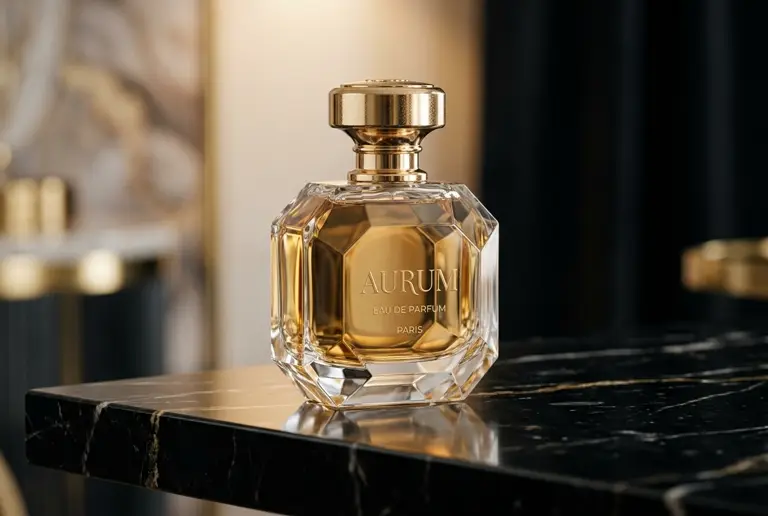
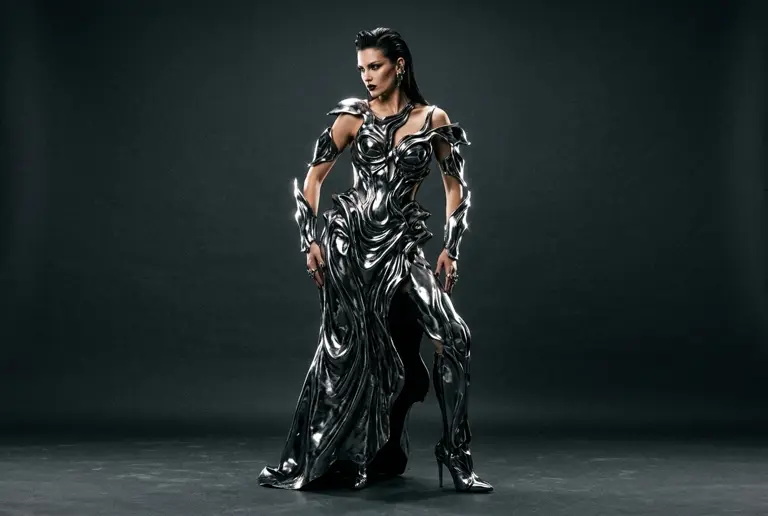
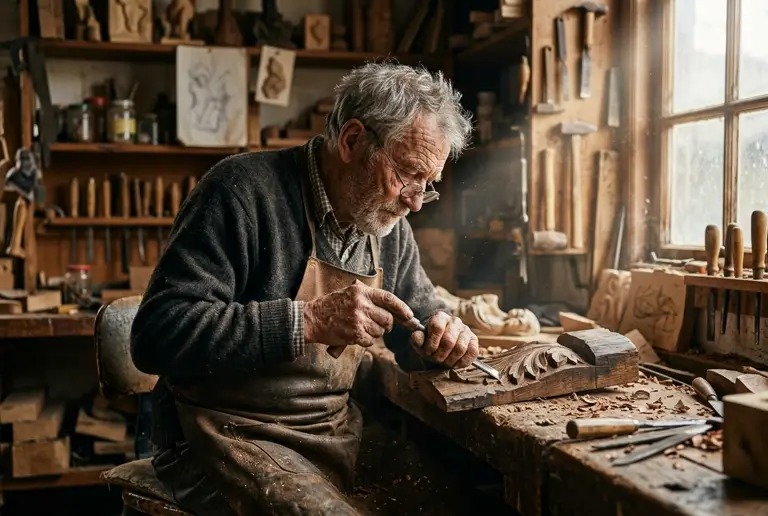
When the image has a person or a product and has to look real. Nano Banana Pro leads on convincing skin, fabric and specular highlights, holds consistency across a batch, and offers native high-resolution output with mask-based editing — which makes it the workhorse for headshots, product sets and anything that needs to survive a print crop.
When should I pick Seedream 5 Pro?
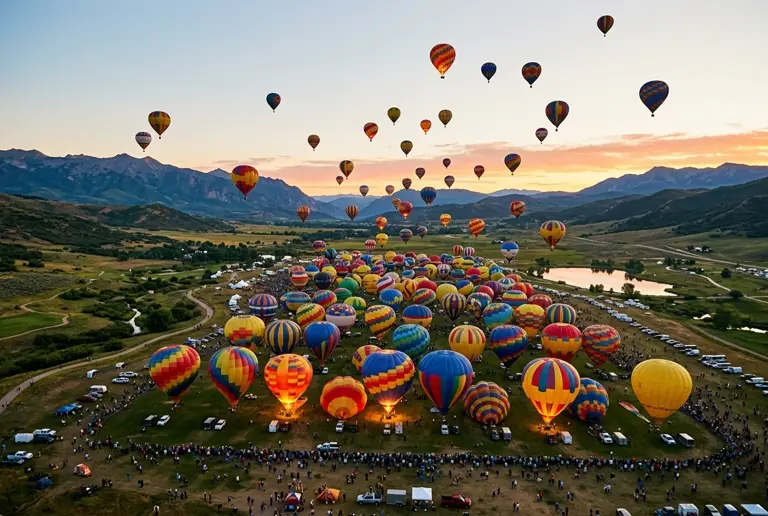
When the image is graphic, stylised or conceptually demanding. Seedream 5 is the most steerable of the three toward high-contrast, art-directed compositions, and it handles knowledge-driven and multi-image prompts well. It is very literal, so it rewards deliberate art direction — name the light, the palette and the composition and it delivers them faithfully.
When should I pick GPT Image 1.5?
When the brief reads like a set of instructions, or when short text has to sit inside the image. GPT Image 1.5 follows long, structured prompts closely and holds letterforms better than the other two — the right call for packaging, posters, UI mockups and ads with a headline. Its maximum resolution is lower, so upscale for large print.
You don't have to guess — run them side by side
The honest answer to "which is better" is to send one prompt to two models at the same frame size and keep the one that reads right. That is exactly what the compare pages are for, and a side-by-side of two 20-credit models costs 40 credits — about 11 cents. Draft cheaply first: Flux 2 Dev, Nano Banana 2 Lite and Seedream 5 Lite all run at 1 credit for composition tests before you spend flagship credits on the frame you have chosen.
Don't overlook the cheaper and free tiers
Not every job needs a flagship. Nano Banana at 5 credits handles most character and reference work; the 1-credit draft models are ideal for exploration; and the free experimental pool (GPT Image 2, Nano Banana Pro, Seedream, Midjourney V7) runs at zero credits for "will this idea work at all" tests. Prototype free or cheap, finish premium. Browse the full library on the models page.